Battered by the COVID-19 crisis, large Indian companies are looking to their banks for digital solutions that can make their supply chains more resilient to pandemic-related disruptions.
A small group of banks that had committed to superior customer experience as the centerpiece of their strategies stood out during the COVID-19 crisis by stepping up and helping their small business, middle market and retail clients navigate pandemic challenges.
Greenwich Associates, the leading global provider of data, analytics and insights to the financial services industry, is pleased to announce the hiring of David Easthope as a Senior Advisor on its Market Structure & Technology team.
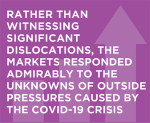
Amid this year’s historic surge in trading volume and volatility, U.S. capital markets responded as they are expected to — by efficiently bringing buyers and sellers together.
Near-zero interest rates and a continued need for liquidity among companies, states and municipalities struggling with the economic consequences of the COVID-19 pandemic should keep bond markets robust in 2021.
Greenwich Associates, the leading global provider of data, analytics and insights to the financial services industry, is pleased to announce a partnership with Steve Dunn as a Senior Advisor in its Investment Management Practice.
Banks, financial advisors, insurers, and other companies that distribute investment funds say COVID-19 has triggered profound changes in retail investing—some temporary, and some that could prove permanent.
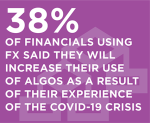
Although day-to-day aspects of the foreign exchange market have largely returned to normal, disruptions caused by the COVID-19 pandemic will have a lasting impact on market structure and functionality.