Equity traders are increasingly open to the idea of enlisting an outsourced trading provider to supplement their internal trading desks in international markets.
Asset managers looking to get off on the right foot with new institutional clients should work to shorten contract negotiations and streamline processes for asset transition, custody set-up and KYC/AML compliance.
Banks’ competition for deposits appears to be having an impact on bankers’ pricing decisions and slowing increases in rates on corporate loans—at least slightly.
Institutional investors in North America and Europe with more than a decade of experience in ESG investing are beginning to coalesce around an emerging set of best practices that push sustainable investing into a new and more mature phase.
The global foreign exchange market evolution continues to necessitate a wave of investments by market participants who are focused on improving the sophistication and effectiveness of the trading.
Asia’s large corporates are accelerating efforts to make supply chains more resilient to both economic crises like the COVID-19 pandemic and political tensions by sourcing new suppliers from across the region.
The biggest U.S. bond dealers are maintaining the bulk of their market share while morphing into bond brokers who facilitate trades without putting their own capital on the line.
Boutique institutional equity investors are less-than-satisfied with the support they are getting from their trading technology providers, but fears of the potential disruptions associated with a change in vendors often cause them to stay the course with current partners.
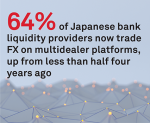
Investments by dealers in increasingly sophisticated e-trading systems and growing liquidity on multidealer platforms have set the Japanese FX market on a course toward increasing electronification.
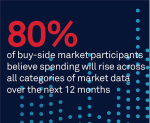
Asset managers, wealth management firms, banks, and broker-dealers globally are opening their wallets for market data.
Spending on market data is expected to increase by 10% or more next year in priority areas including equites, fixed income and alternative data, and by at least 5% across other asset classes.