A strong recovery in asset valuations and improvements in pension plan funding levels have not slowed the rapid pace of change in institutional investment portfolios.
Intense competition among banks for trade finance business in Asia provides companies with opportunities to benefit from lower pricing for these important products and services.
Deutsche Bank, UBS, Citi, and Barclays are tightening their grip on the foreign exchange market as global FX continues its transition to a primarily electronic marketplace, according to a new report from Greenwich Associates.
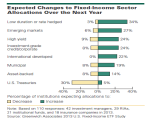
Fixed-income exchange-traded funds (ETFs) are poised to take on a bigger role in institutional portfolios, according to a new report, Institutional Investors Turning to Fixed-Income ETFs in Evolving Bond Market, from Greenwich Associates.
Greenwich Associates today named Standard Life, Fidelity and Zurich as the 2014 Greenwich Quality Leaders in U.K. Bundled Defined Contribution Corporate Pension Services.
As the global financial crises recedes farther into the past and bank credit ratings converge, banks that had been exploiting their advantage in funding rates to win business in the retail structured products market are seeing that advantage wither.
Electronic trading systems increased their share of global fixed-income trading volume only slightly in 2013, bringing the proportion of total volume executed electronically to 25%.