

Close to a half trillion dollars in U.S. Treasury bonds trade every day, and Greenwich Associates estimates over two-thirds of this volume trades electronically.
Despite the market’s size, few...

In the face of the growth in FX futures trading, Greenwich Associates set out to examine and assess the potential economic benefits of utilizing futures as an alternative to trading in the OTC...

Market making in U.S. equity markets has changed significantly in the last two decades. The system, once ruled by large banks and brokers making markets on the NYSE floor or on Nasdaq’s...

After bracing for a coming chill, investment management professionals are instead enjoying an unexpectedly favorable climate in terms of year-end compensation. But make no mistake: Winter may be...

While fixed-income dealers are finally coming out from underneath the crush of the financial crisis, budget cuts and regulatory burdens continue to impact their ability to effectively service...
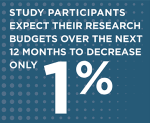
The MiFID II directives will surely bring significant changes to the financial industry. With increased scrutiny and a brighter spotlight shining on established investment processes, every...

The performance of 95% of institutionally managed credit funds and 97% of interest-rate-focused funds are benchmarked against an index. While absolute investment performance is important,...

Dramatic advances in artificial intelligence (AI) are quickly changing this technology from a banking buzzword to a critical capability that helps drive better outcomes for clients. In the coming...

If providing technology to enable electronic trading of corporate bonds was the first phase of the market’s evolution, then gathering, analyzing and putting data to work is phase two. The market...
Artificial intelligence (AI) is impacting all parts of the economy and our daily lives, from self-driving cars to personal digital assistants. Finance, of course, will not be exempted from this...