
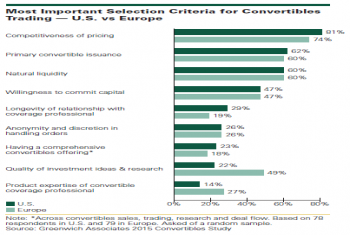
Brokers globally are battling for potentially lucrative trading business in options & volatility products, equity swaps, equity futures, and convertibles compete on the basis of pricing, willingness to commit capital to trades, their own...
We strongly believe the human banker will remain the cornerstone of commercial and corporate banking relationships. Going forward, AI will make bankers more effective in their client interactions by customizing presentations, generating personalized insights and recommendations, and contributing to solutions tailored to individual clients.

Brokers globally are battling for potentially lucrative trading business in options & volatility products, equity swaps, equity futures, and convertibles compete on the basis of pricing, willingness to commit capital to trades, their own...

Banks competing for the business of Canada’s largest companies are navigating a changing market.
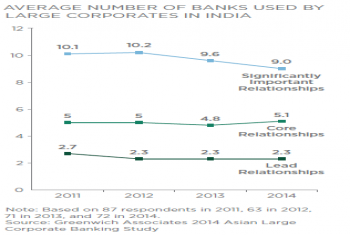
Domestic banks in India have been closing the qulaity gap and winning key spots on Indian large corporates' bank lists.
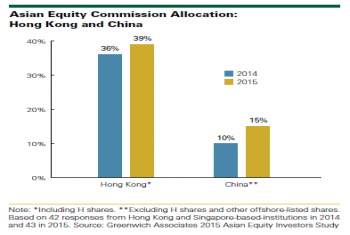
Fierce competition for trading share among Asian equity brokers.
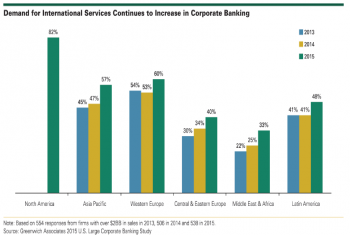
U.S. corporates increase concentration of banking business in the hands of the market’s biggest banks.
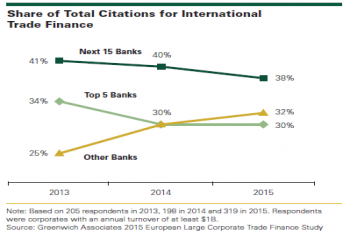
European companies are lowering costs and simplifying operations by consolidating trade finance for transactions in their home region.
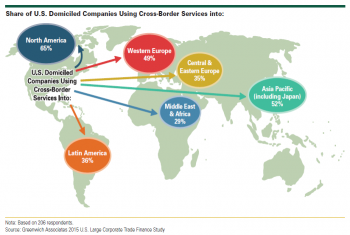
The biggest banks are expanding their trade financing and servicing footprints to support U.S. companies.
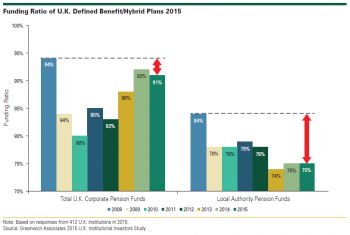
U.K. pension funds continue to search for answers to their ongoing underfunding problem.

Equity brokers in the emerging markets are rewarded for consistency.

Asian fixed-income trading volumes declined from 2014 to 2015, driven mainly by a 9% reduction of trading activity in Asian credit products.
Access timely info via personalized dashboard
Receive webinar invitations and set up your preference
Save Coalition Greenwich Research in a personal folder