

The market should celebrate how much more efficient it has become in the past decade. Burdensome regulations, reduced profit margins and low-volume markets have been mitigated by new businesses...

The growth of exchange-traded funds over the last 25 years has been one of the biggest secular trends in investing. Closely tied to the rise of passive investment management, ETFs allow investors...

Evolution in the U.S. corporate bond market accelerated in 2019. In fact, the slow and steady change that has occurred over the past decade will ultimately be seen for the revolution that it...
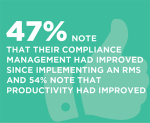
Under a backdrop of increasing fee pressure, slowing AUM growth and reduced margins, the investment management industry is now facing research unbundling trends, which require many asset managers...
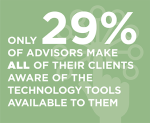
In the United States, there are over 200,000 financial advisers, and that number is shrinking every day.
In the past, the advisory business has been seen as a safe and lucrative career option...
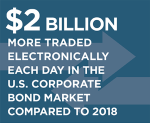
The center of gravity for financial institutions continued shifting toward technology in 2019. Trust and human interactions still matter a great deal, but even in those corners of the market...
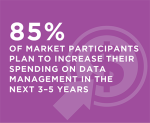
In today’s world, data is what keeps markets moving. Market data, reference data, alternative data, and anything else that can be stored on a computer are now the biggest inputs into the...

The financial services industry is in the midst of a massive leap forward, with the next generation taking on more leadership roles and technology changing the nature of the business. Financial...

More than ever, the story of commercial banking is the story of technology.
The arrival and adoption of new technologies is changing the industry at an unprecedented pace. As a result, the...

Compliance is a crucial component of financial firm infrastructure, and the role of compliance departments in firm operations has become a fact of life for most capital markets participants. This...